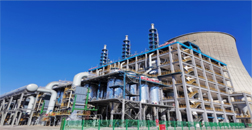

On December 16, 2025, the 50,000-ton/year green methanol demonstration project of CIMC Enric, utilizing the circulating fluidized bed biomass gasification technology independently developed by the Institute of Engineering Thermophysics of CAS, was officially put into operation in Zhanjiang, Guangdong Province. This marks China's first mass-production green methanol project. The first batch of green methanol products has been used for bunkering international ocean-going cargo ships at Shenzhen Port, providing key technical support for the low-carbon transformation of China's shipping industry. The gasification island of the demonstration project was jointly implemented by the institute and CAS Coal Gasification Technology Co., Ltd.
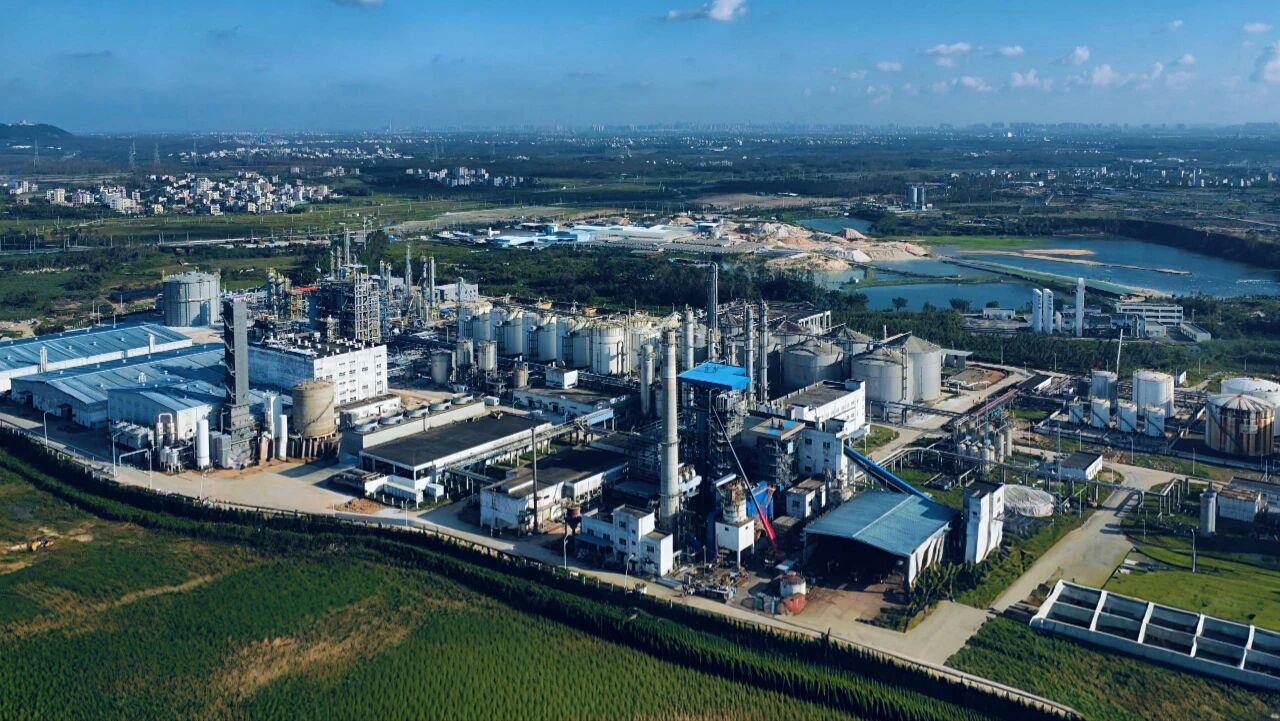
This demonstration project is the world's first to adopt the biomass gasification-Fischer-Tropsch synthesis coupled with biomass direct combustion power generation route. Compared to the biomass coupled with wind-solar green electricity for methanol production route, it reduces production costs by 30%, offering significant economic advantages. The circulating fluidized bed technology R&D team at the institute, targeting the characteristics of biomass fuels, innovatively proposed a new phase-separated asynchronous conversion method. Through "mild gasification" coupled with "semi-coke self-catalytic cracking," they broke through core technologies such as uniform fluidization of multi-component particles with large differences, in-situ directional cracking of tar, and prevention of alkali metal ash deposition and corrosion. This achieves efficient biomass gasification to produce syngas, opening up key pathways for the production of high-value green fuels.
Previously, under the support of the National Key R&D Program and the institute's pilot projects, the R&D team originally proposed gasification reaction intensification pathways of "mild gasification" and "high-carbon cycling." They completed the development and industrial application of a series of circulating fluidized bed technologies for coal-to-natural gas and coal-to-syngas production, ranging from 25,000 to 100,000 cubic meters per hour, laying a solid foundation for the development of this technology.
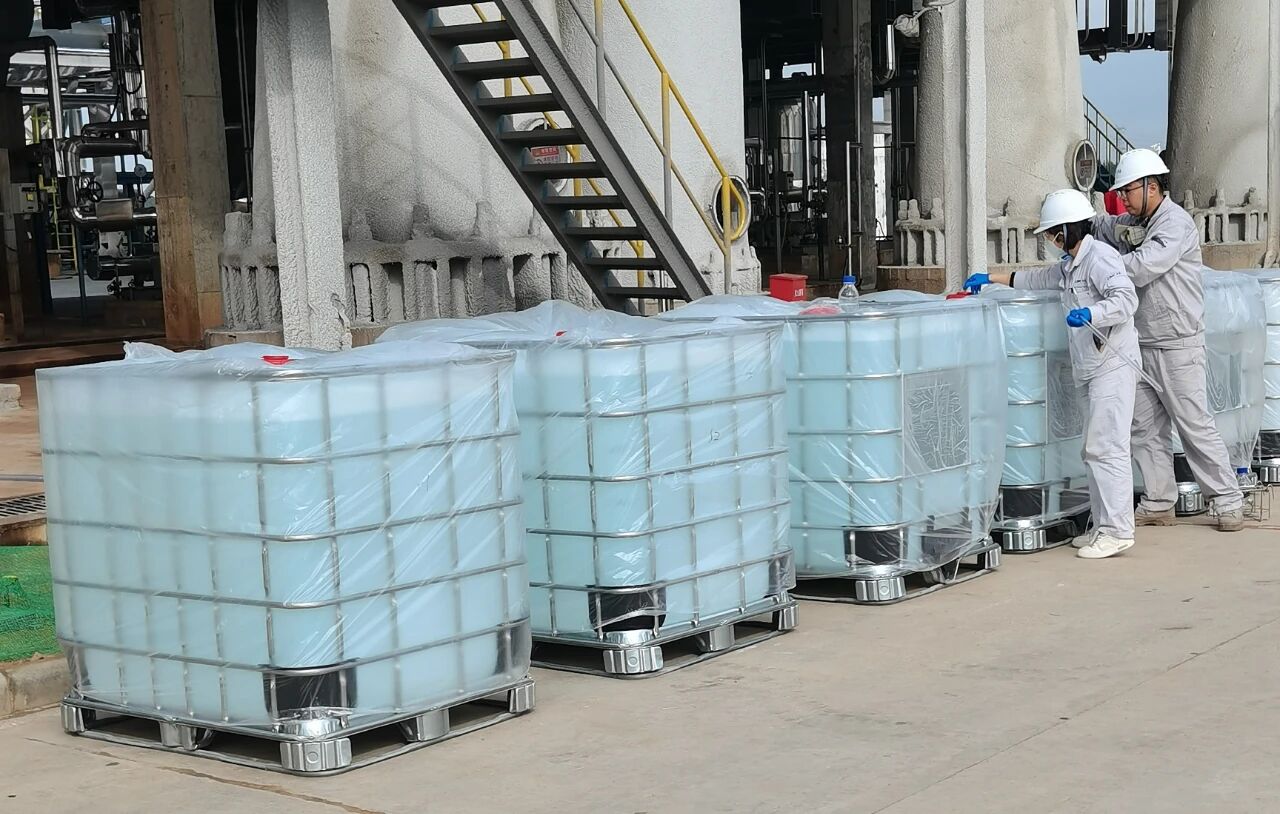
Green methanol is currently the alternative fuel with the greatest carbon reduction potential and optimal economic viability in the shipping industry. Compared to fossil fuels, it can reduce full lifecycle carbon emissions by more than 85%, providing an important pathway to support the global shipping industry's goal of achieving net-zero emissions by 2050.
Source: Circulating Fluidized Bed Laboratory